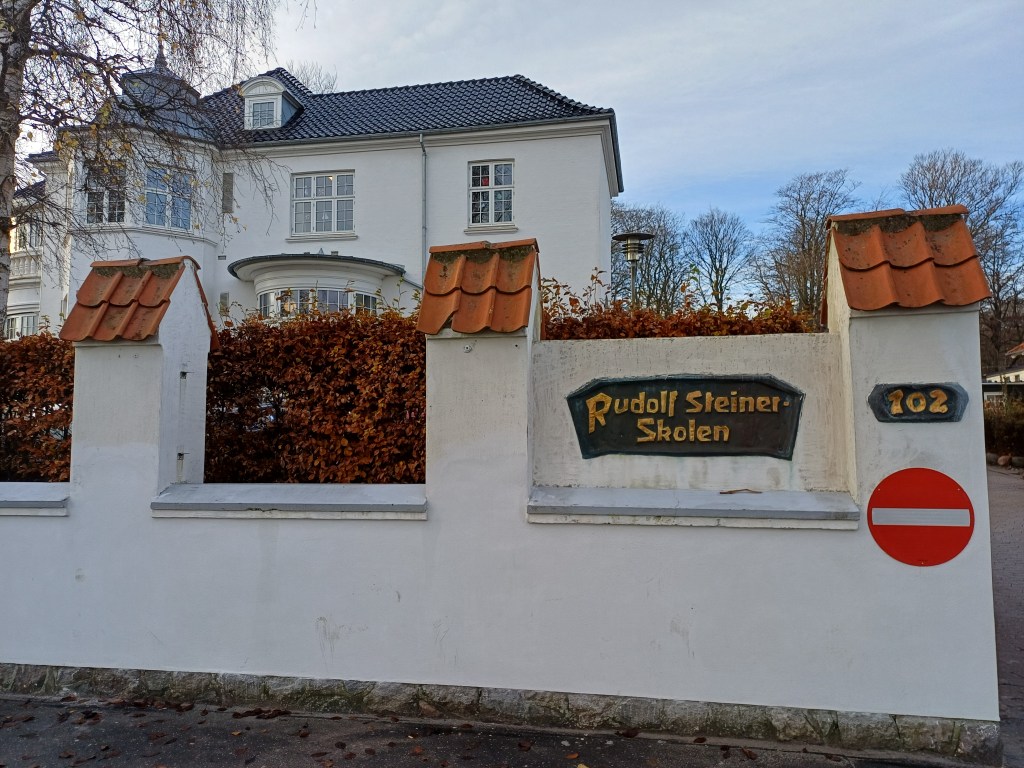
Critical Testimonies from Waldorf Schools and Institutions
Examining the Shadow Side of Waldorf Education
For decades, Waldorf schools and institutions in Denmark have attracted families seeking an alternative approach to education. Inspired by the anthroposophical philosophy of Rudolf Steiner, these schools emphasize creativity, nature, and a holistic understanding of child development.
For many parents, this vision is appealing. But testimonies from parents and former students collected by the Steinerkritisk Forum suggest a more complicated reality.
Their accounts point to recurring concerns: limited support for children with special needs, practices perceived as crossing personal boundaries, and a culture that some describe as closed and resistant to criticism.
Parents Speak Out
One parent from the Waldorf School in Vejle describes experiences that, in their view, resemble issues documented at Sweden’s controversial Solvik School. A documentary released in 2021 revealed serious problems at the institution and sparked debate about oversight within the Waldorf movement.
According to the Danish parent, teachers at the school showed a strong internal loyalty that made it difficult to address concerns about children’s wellbeing. The parent was particularly troubled by the school’s practice of holding individual conversations with children that had a therapeutic character, conducted without parents present.
The parent claims that information from these conversations was later used to interpret family dynamics in ways they found deeply intrusive.
They also describe a culture where critical questions were often met with reprimands or silence, leaving parents with little opportunity to influence school practices.
“Parental Grooming”
Another account comes from a former Waldorf parent who describes what she experienced as a form of “parental grooming.”
According to her testimony, the school provided detailed guidance on child-rearing that extended far beyond the classroom and into family life. At the same time, she says she was encouraged to believe that Waldorf education was the only suitable educational path for her child.
When her child began showing signs of stress and declining wellbeing, she says the school dismissed the concerns.
Feeling increasingly powerless, the family eventually chose to withdraw the child from the school.
Recurring Patterns
Across multiple testimonies, similar patterns emerge. Several parents say they felt pressure to align themselves with the school’s philosophy, even when it conflicted with their own instincts about their child’s needs.
A number of parents also criticize what they see as insufficient support for children with learning differences or special educational needs. According to these accounts, the schools often lack the specialized expertise required to support such students effectively.
Others describe an institutional culture that appears resistant to outside criticism, where concerns raised by parents are not always addressed openly.
Some parents attribute this dynamic to the strong influence of anthroposophy within Waldorf institutions, which they believe can create an environment where established ideas are difficult to question.
The Role of Anthroposophy
Anthroposophy, the spiritual philosophy developed by Rudolf Steiner, forms the ideological foundation of Waldorf education. It combines spiritual and esoteric concepts with a distinctive educational model centered on stages of child development.
Supporters argue that this approach nurtures creativity, imagination, and emotional development.
Critics, however, say that in practice it can sometimes lead to rigid interpretations of children’s needs—where adherence to philosophical principles may outweigh individual circumstances.
 Steinerkritisk Forum